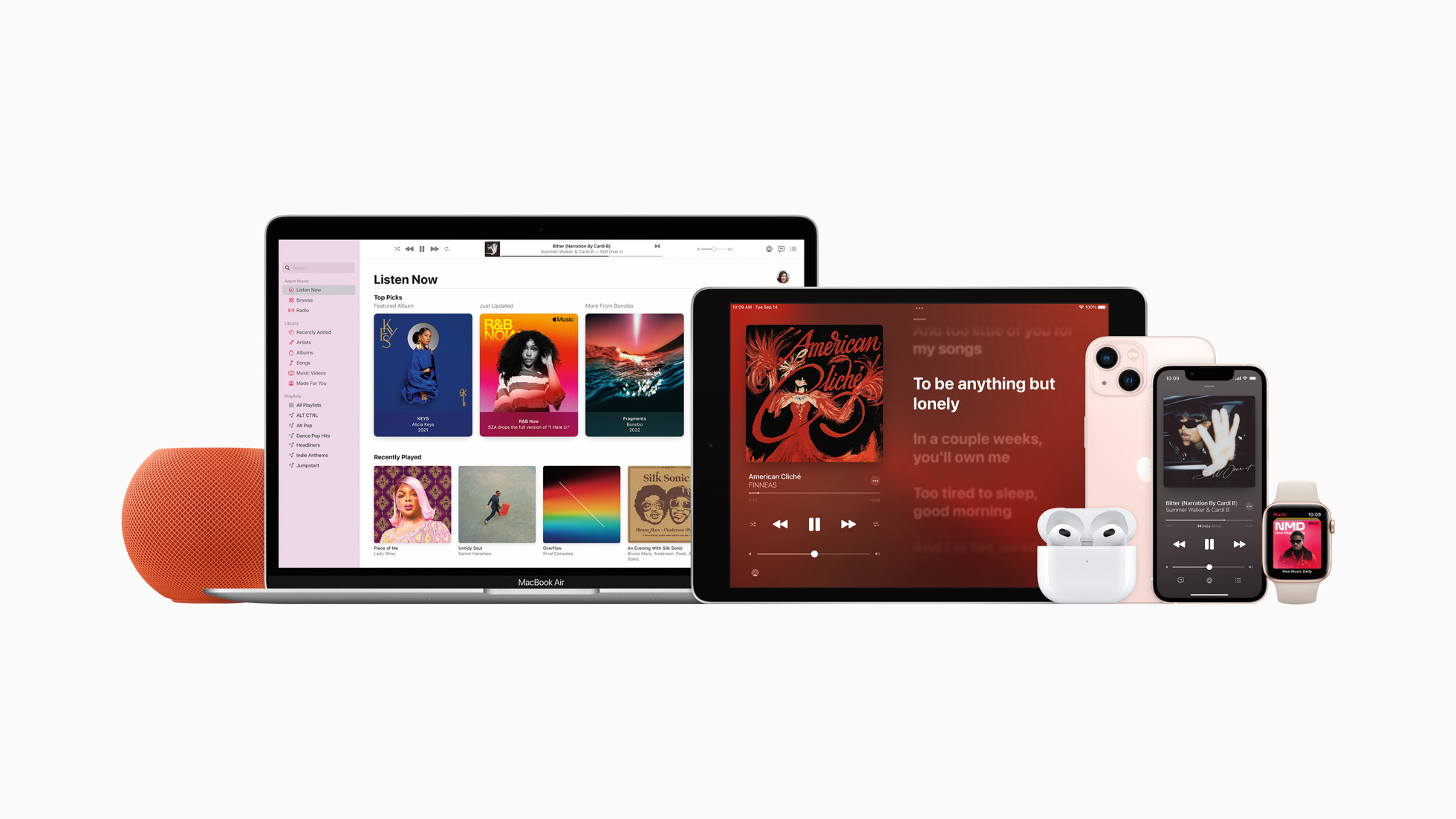
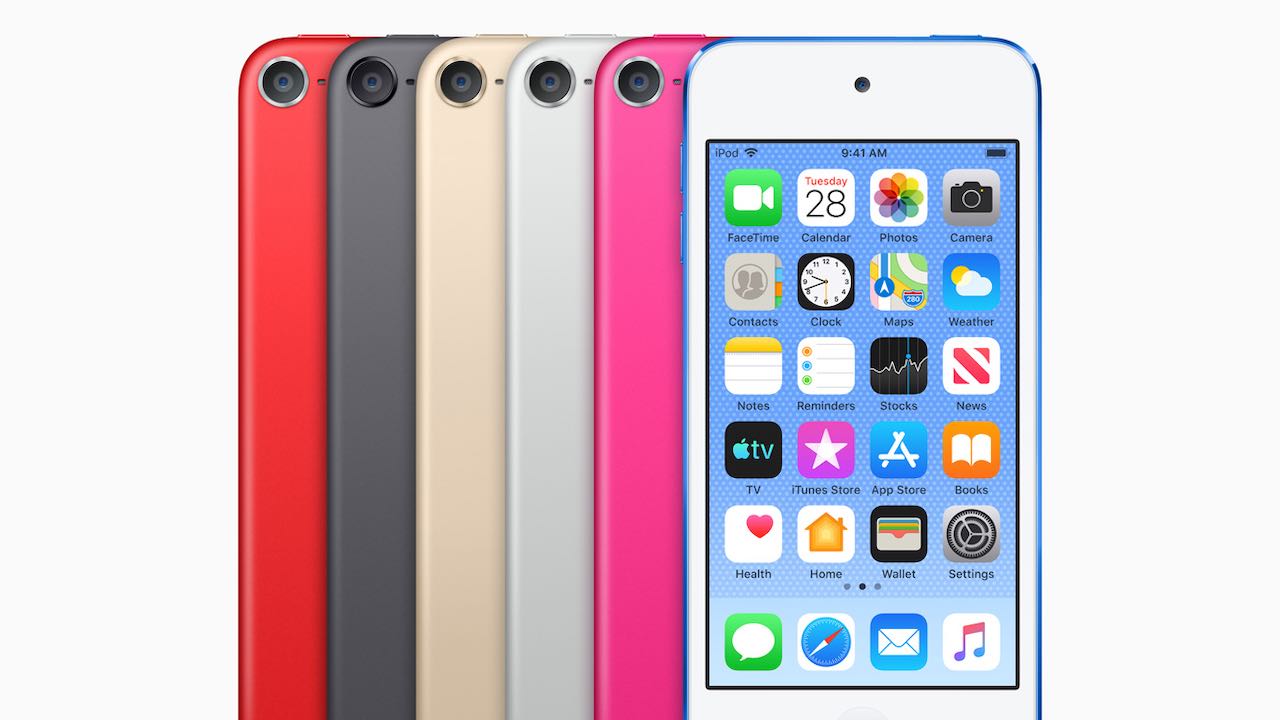
Today Apple officially pulled the plug on the last remaining iPod model for sale. The iPod touch has kept the iPod family line going since nearly the introduction of the iPhone, the product introduced to replace the iPod.
The current success of Apple owes much to the little white and metal box that ushered in a revolution in the music industry 20 years ago. The iMac saved Apple's finances, the iPod put it on the road to riches. Along the way Apple found a way to sell songs a la carte for only 99¢ when everyone was simply stealing music. And the miniaturization and technology that went inside the evolving iPod showed the company how to build the product that would ultimately kill the iPod.
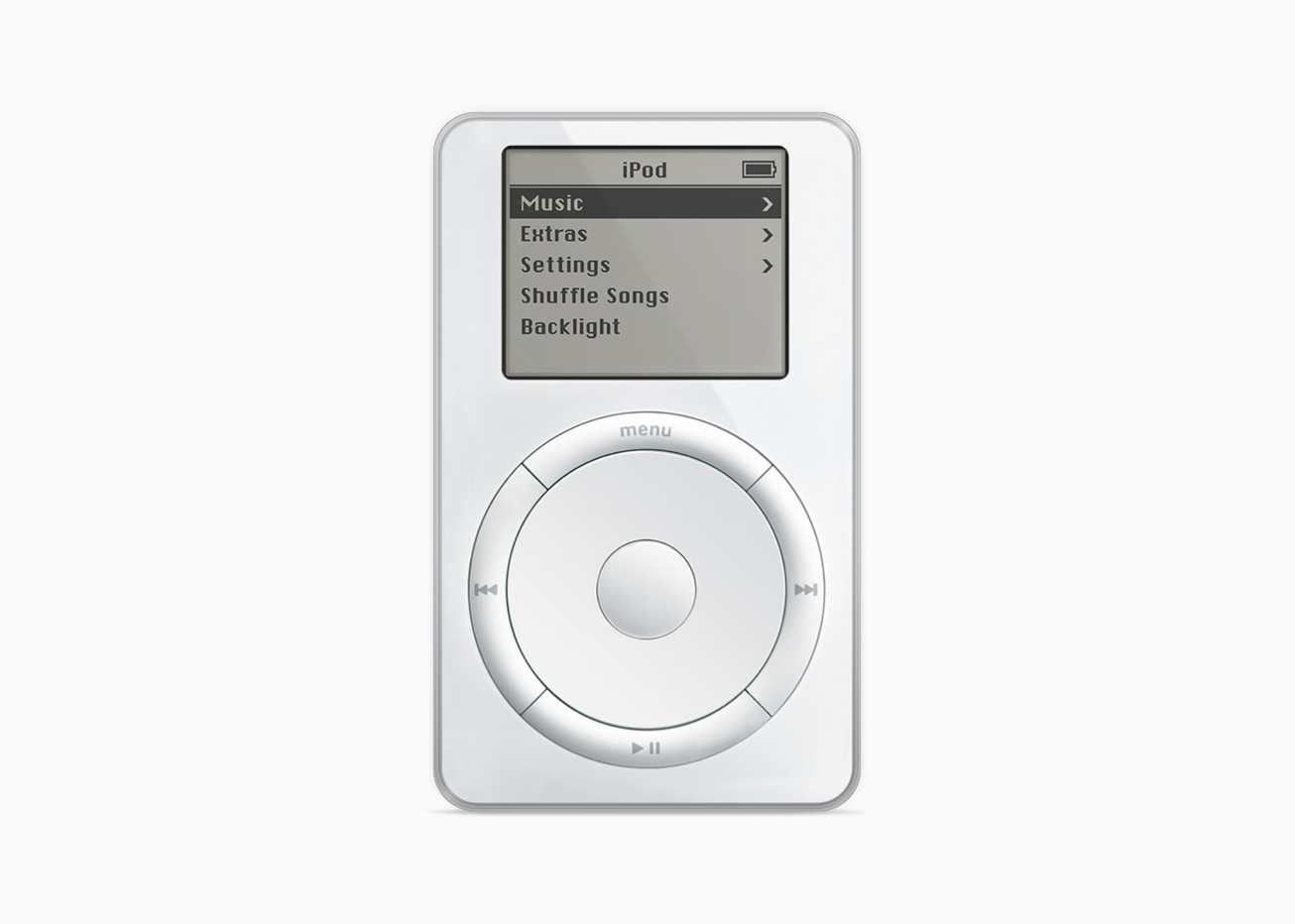
When Apple CEO Steve Jobs introduced the iPod standing on the company's town hall stage that October 23, 2001, it was to a small group given the small size of the auditorium. Jobs talked through what the Mac would become, a hub for your digital life. And he took over an hour to build up to the big reveal, walking the audience through the ways the Mac would connect to all the fun digital toys on the market, video cameras and digital cameras. But there was a hole missing in the hub Jobs drew out. Music.
In 2001 the state of digital music players was terrible. Heavy battery draining devices the size of a Discman, or devices that were small but held only an albums worth of songs. Then on that stage Jobs pulled the first iPod from his jeans pocket and welcomed the music revolution. Although at the time, it was a slow evolution.
The original iPod had a 5GB hard disk drive (with actually spinning disks) that incredibly could hold 1,000 songs. And those 1,000 songs could be transferred on from your Mac at blazing speeds thanks to the Firewire connector Apple had pioneered before having a reason to use it. So anyone with a Mac could drop $399. For those with Macs this seemed a good deal. But the revolution didn't start there. Then again, those with Macs just assumed people on Windows would finally see the light and switch.
And Apple thought so to. They starting running the famous Apple Switch ads. But it really wasn't until the iPod worked with Windows that the product started taking off. We lost Firewire and suffered with slower USB and the original dock connector so the music player could go to the masses.
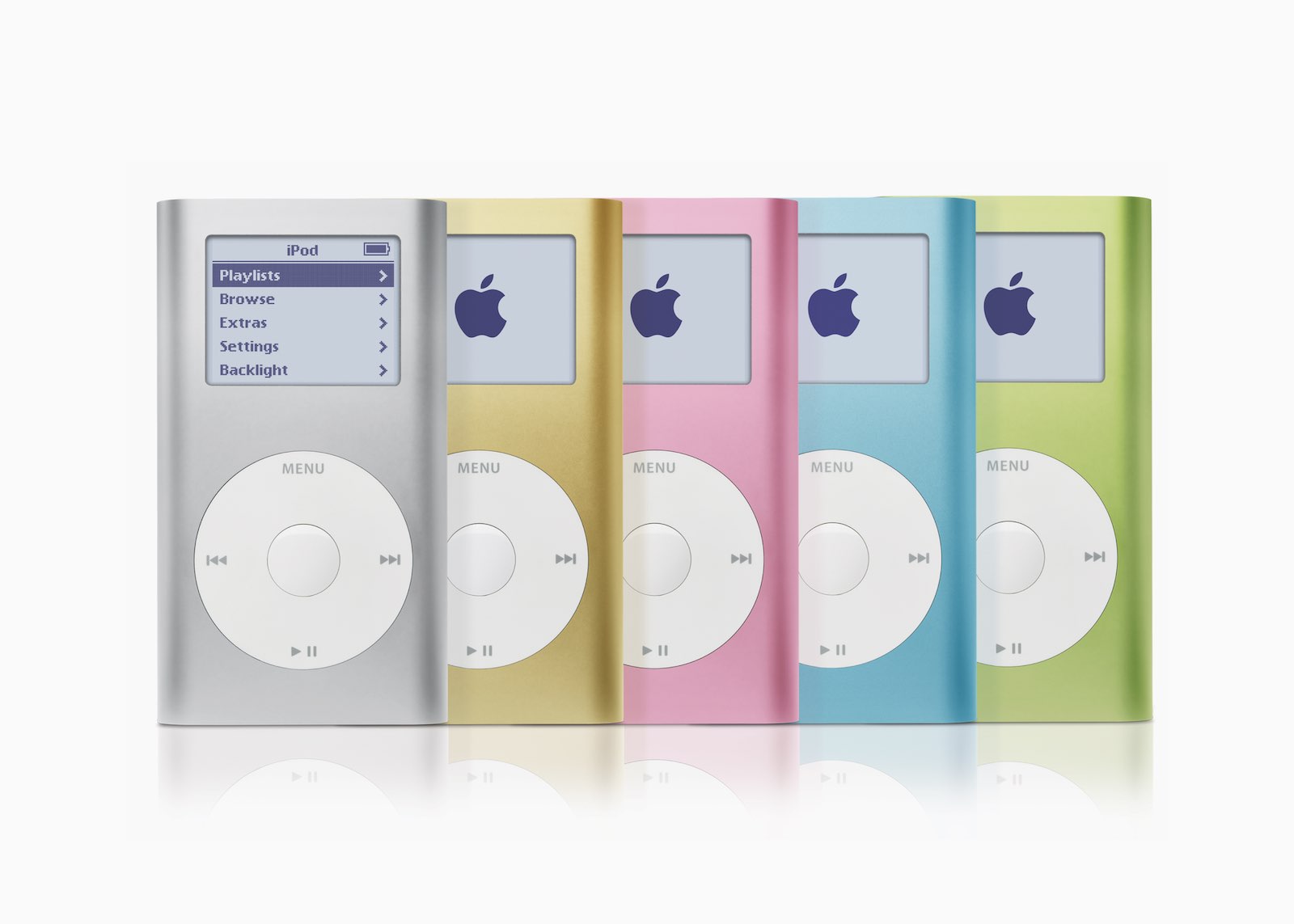
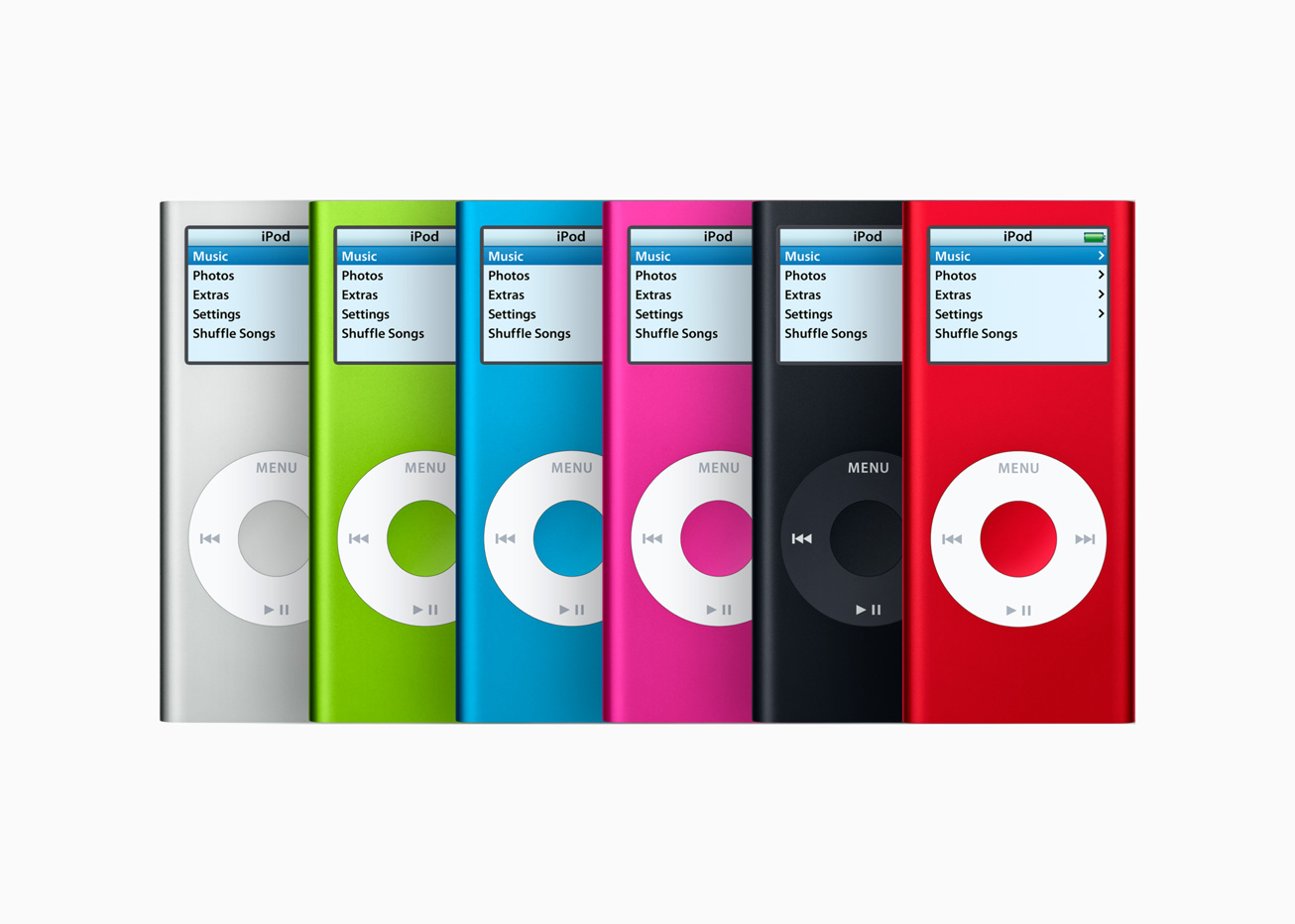
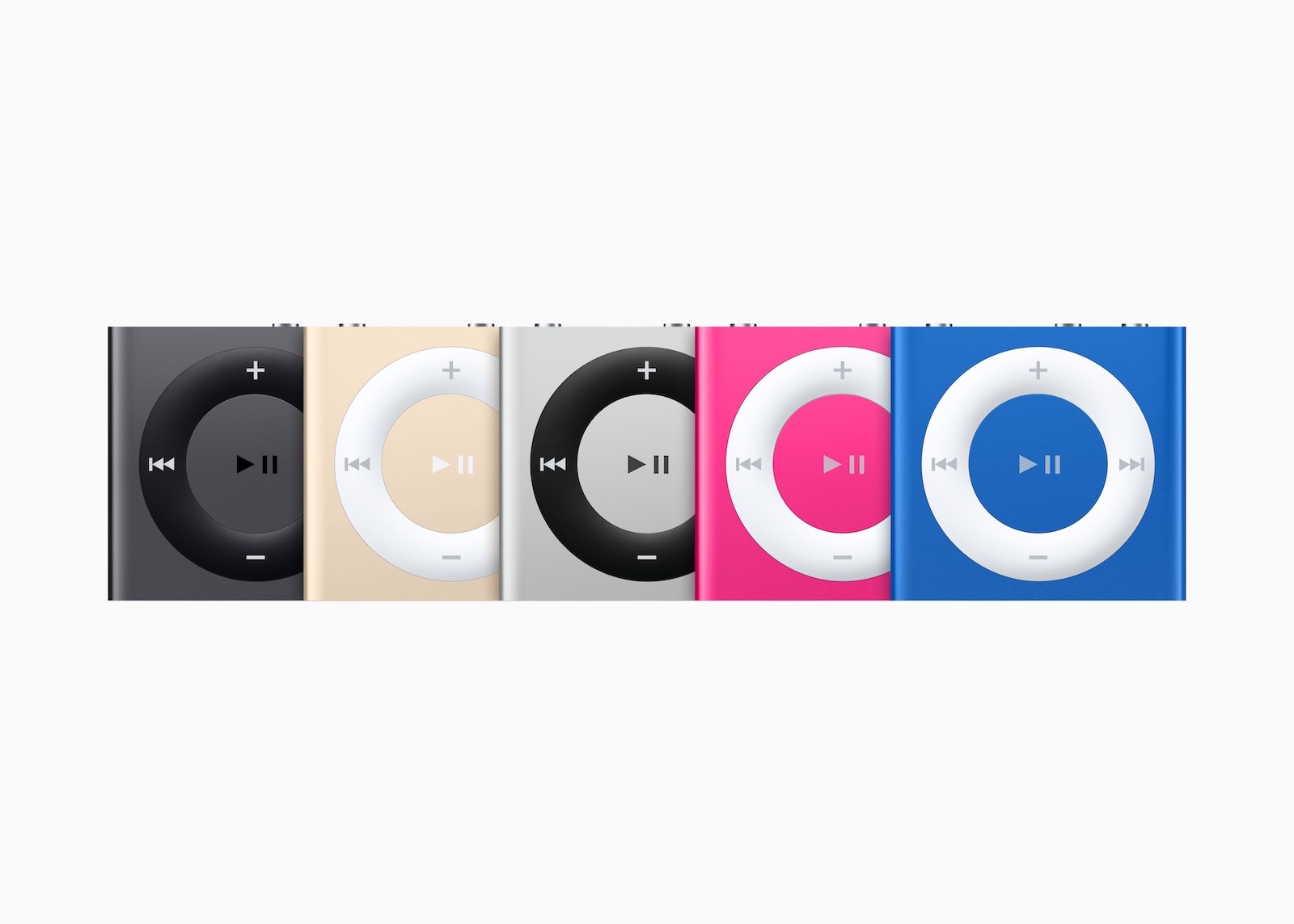
That simple change had a huge impact. No other company could compete with the iPod, and many tried, including Microsoft. iPod sales skyrocketed and Apple started created new and diverse versions of the iPod. The Nano. The Shuffle. The Mini. But before the Touch, Apple released the ultimate iPod, one with a phone, browser and internet communicator.
Before the replacement for the iPod arrived, Apple worked with Motorola to create an iPod phone, the Rokr. In those moments Apple learned what it's like working with a company that's building a product for a price point, and not a customer. Apple knew it could do better.
Just over five years after the iPod was introduced, Jobs gave the world a sneak peek at the iPhone. It would take six months before it would go on sale, but everyone was clamouring to buy one. Newspapers outside the US sent reporters to cities like New York and San Francisco to cover the lines and hype as the first iPhone went on sale, June 29, 2007.
Some 15 years later and the growth of smartphones has revolutionized every aspect of life. Countries where the computer could never take root have adopted smartphones as their primary computing device. The current iPhones are all more powerful than the computers Apple built when the iPod was introduced. And more powerful than the Macs when the iPhone was released.
The iPhone has brought riches to Apple, and it has given them experience in technologies that have filtered down to their other devices. Legend has it that Apple was presuing a tablet device and when Jobs was shown what would become multi-touch, he saw that a tablet would be years away, but a smaller device would be more achievable. So Apple used the technology to create the iPod replacement, they would kill it before someone else could get there first.
In a way, the iPod was replaced by two devices, or entire platforms. iPhone and iPad. Both have music players. And both are so much more. Now today we wouldn't dare leave home without taking our phone.
When mobile phones came along, the portable ones at least, were always carried with us. Some of us started carrying our iPods too, but few would also have lugged around a digital camera as well. We may do with the tiny cameras on our 'dumb phones'. There was a race by companies for the valuable space in your pocket (and your wallet).
Today Apple is one of the biggest consumer camera makers in the world. And also the most valuable company in the world. Back when Jobs sold his startup, NeXT, to Apple, the Mac maker was running out of money and may have soon been out of business.
Jobs streamlined the product line down to the very core essentials. He shared a grid of four products—two desktops and two portables, one each for consumers and professionals. He tossed out the Newton, the very device that invented the PDA market before losing to Palm. Apple stopped making their own printers, digital cameras, and other consumer electronic devices they made (including a CD player, and Macs that could also be TV sets).
The leaner Apple would soon be back in the black, and Jobs began working on the strategy that would turn the Mac into the hub for your digital life. In creating the iPhone, Apple poured all its experience (and failures) into a device that was a multitude of things—iPod, digital camera, PDA, internet communicator, and ultimately, the hub of your digital life.
You can still buy an iPod Touch from Apple while supplies last.